

How can routes into curation become more accessible?
Eleanor Getting discusses her experience of being an inaugural Young Curator for the Bow Open 2026
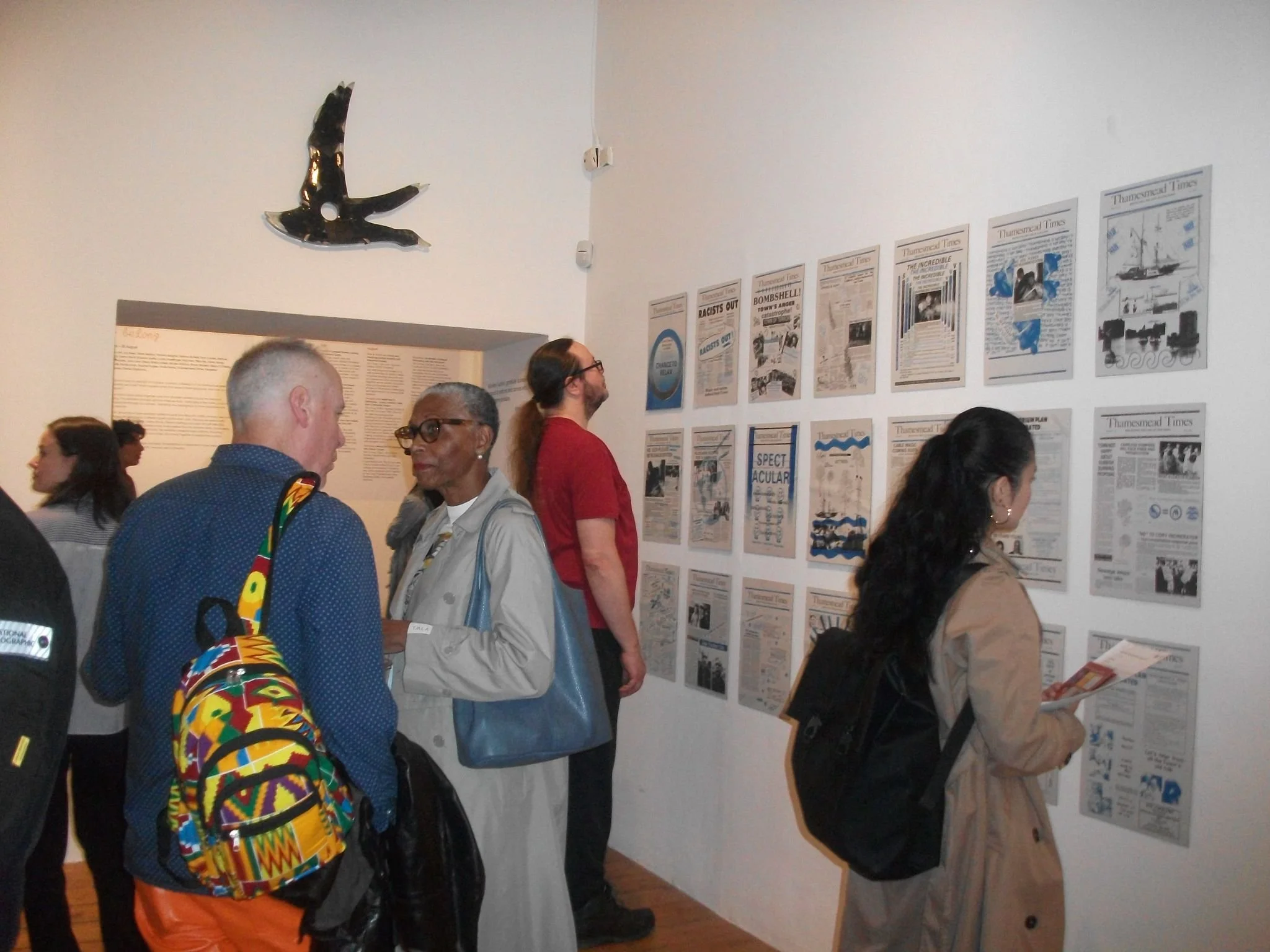
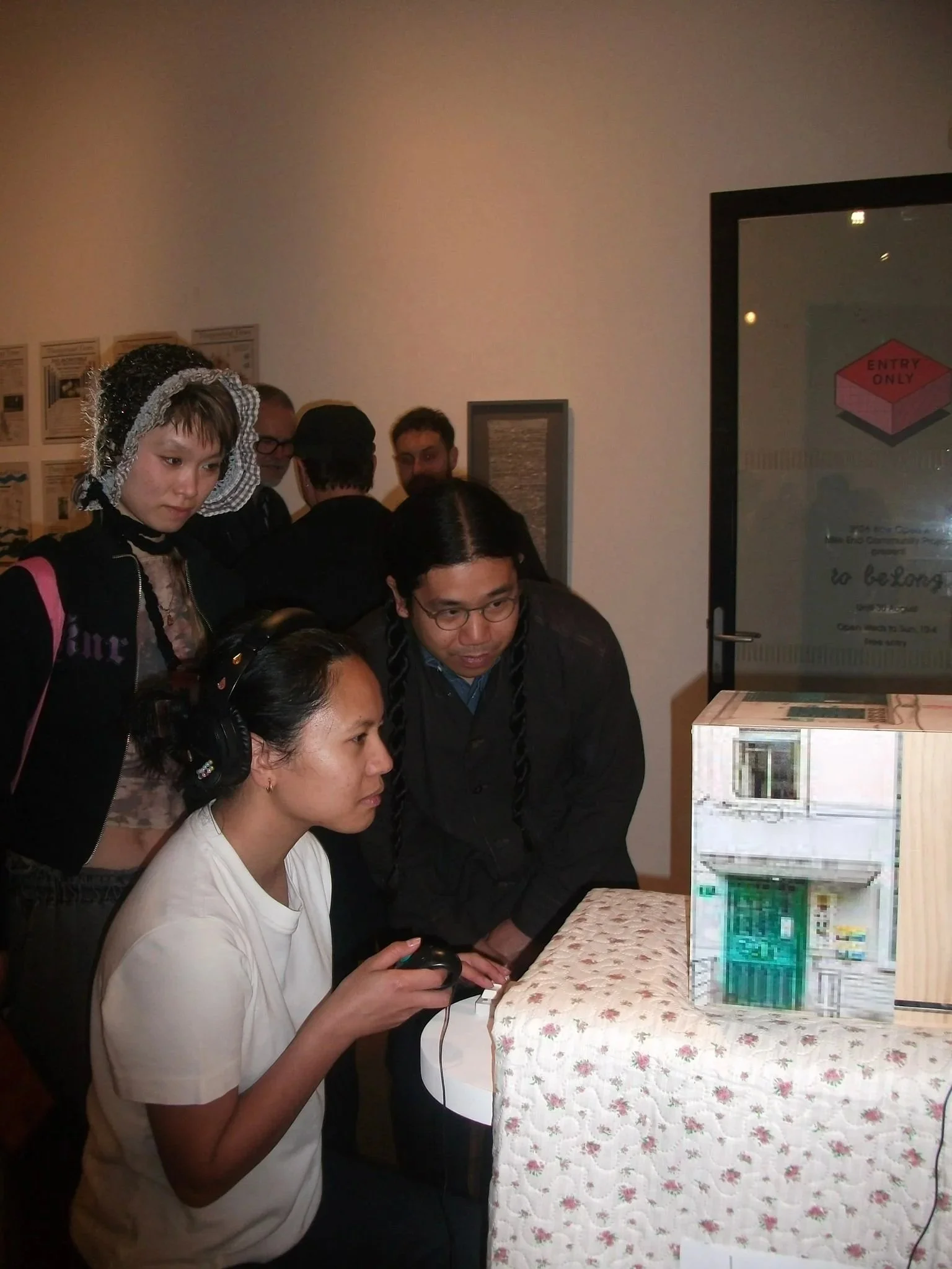
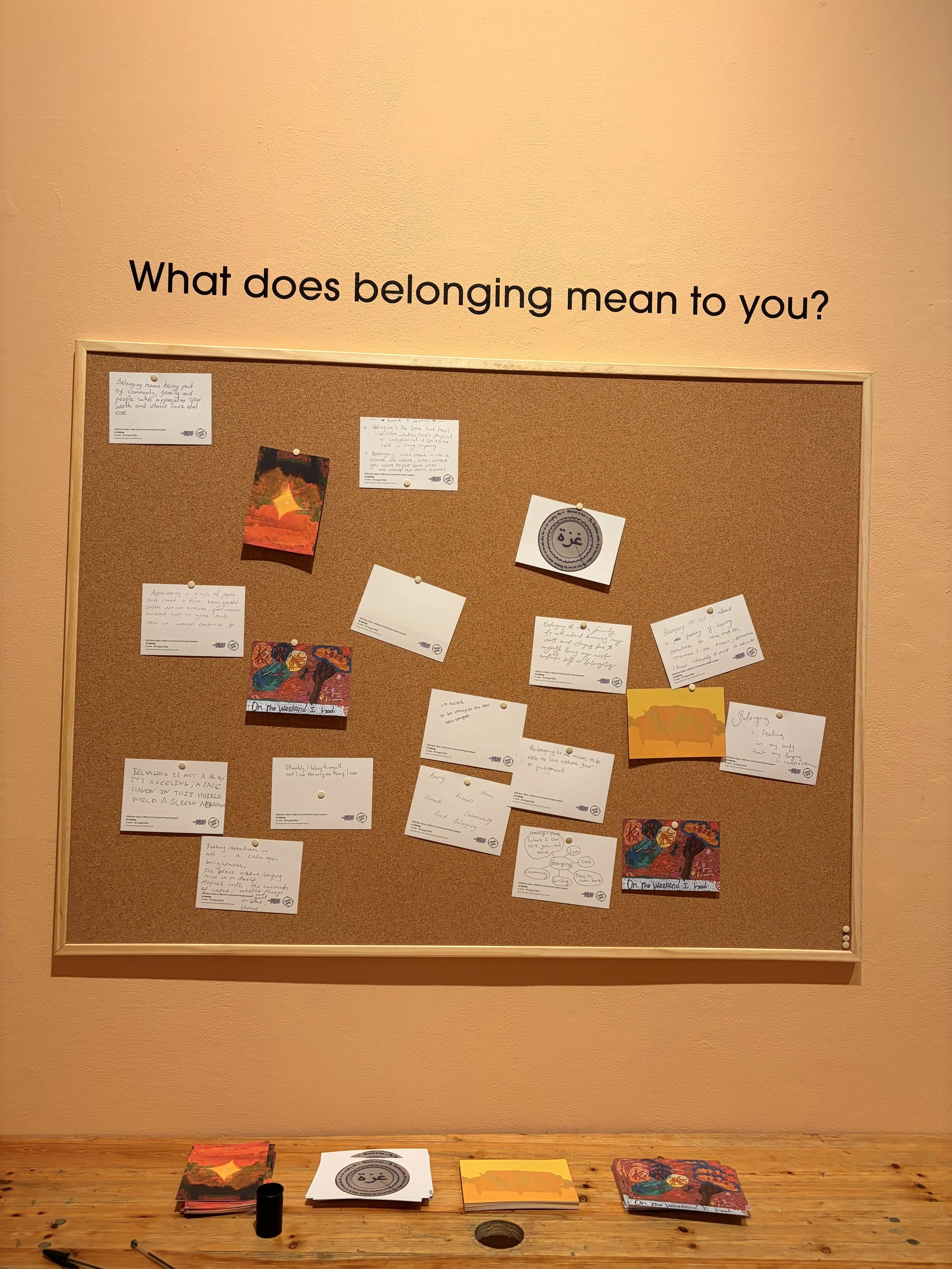
The Curator is widely seen as one of the most prestigious and respected positions in the art world. There is a certain perceived glamour: leafing through exhibition catalogues, carrying out research in oak-panelled libraries or travelling abroad to interview an artist in their studio; the tangible act of bringing different works together, studying them, interpreting them and presenting them to a reverent audience. It is no wonder then that when many students enrol into History of Art at university, they do so in the hopes of becoming a curator (speaking from personal experience).
If only the route to acquiring that shiny job title was as polished. Traditionally, becoming a curator at a major institution or gallery takes years of specialist study, experience and, surprise, surprise, connections. Many people do not reach mid to senior curator positions until their mid to late thirties. And the cost of being a curator is at odds with this rather luxurious image: lots of curatorial positions require at least a Masters degree - costing upwards of £12,000 - and pay staggeringly low salaries (I remember seeing the outrage on social media at a vacancy at the Courtauld for an Assistant Curator position, requiring a PhD and only paying £38,000). A profile on LinkedIn reading “Curator” might as well say “Mythical Creature”, as it seems wondrously impossible to achieve.
Additionally, it is a role shrouded in mystery. I recall so resolutely my amibition to become a curator as a First Year student, but I had very little understanding of what exactly a curator did and how exactly to become one. I couldn’t afford to do a masters straight after my undergraduate degree, and I certainly didn’t have an expansive network. The hazy, ethereal understanding that many bestow upon The Curator ought to be lifted, to create a clearer, fairer and inclusive path for those just starting out.
Whilst the traditional path to becoming a curator appears very orderly, opportunities sometimes just appear, out of the blue. I was mindlessly scrolling on LinkedIn on the train, when I saw a post from someone, who I wasn’t connected to, calling out for Young Curators. It was to select and curate an exhibition called the Bow Open with Bow Arts, an art charity in East London providing affordable studios and arts education programs. No prior experience needed. A three question Google Form. And importantly, paid. Submitting the form using rubbish train Wi-Fi, I was offered a place.
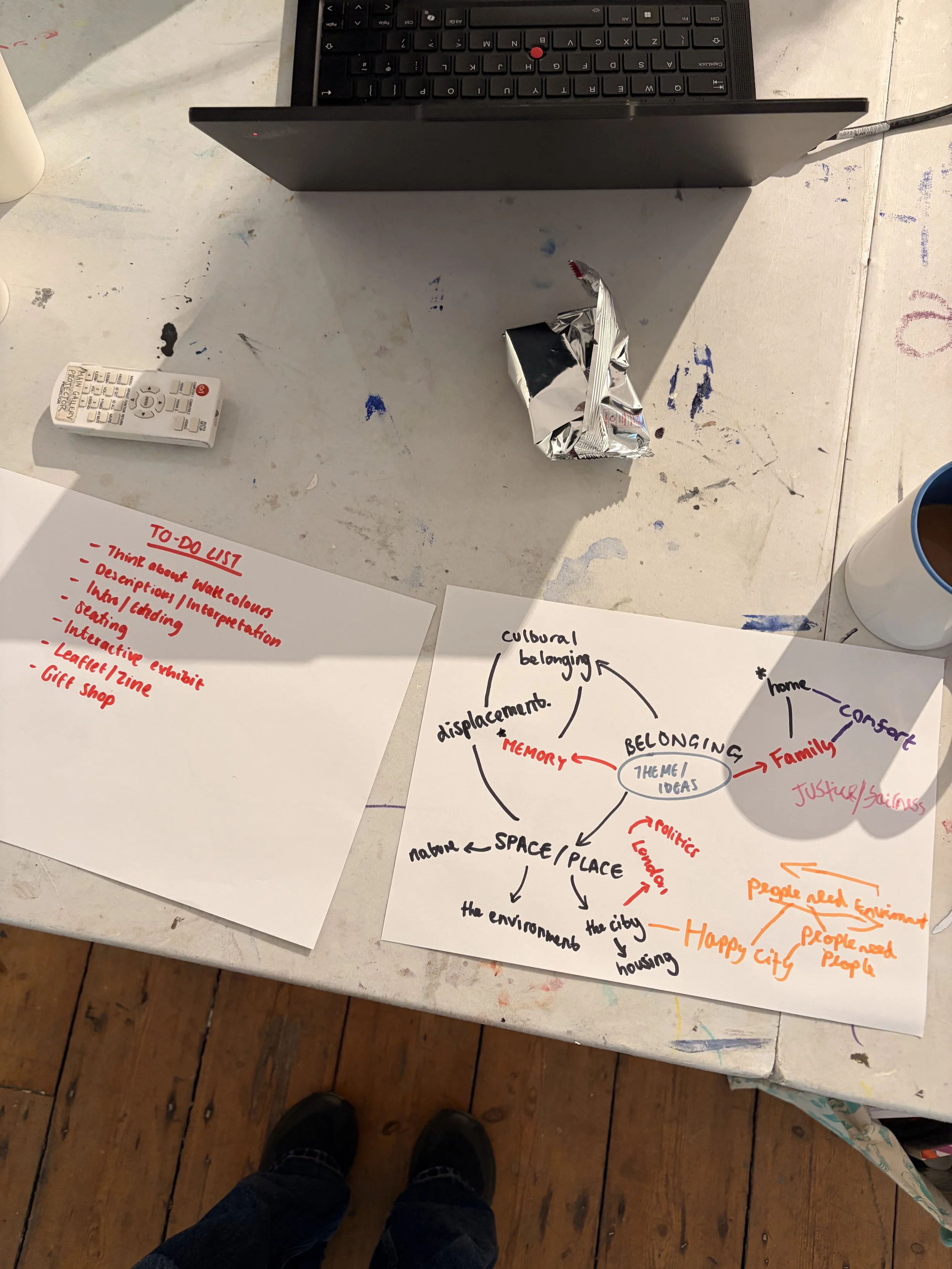
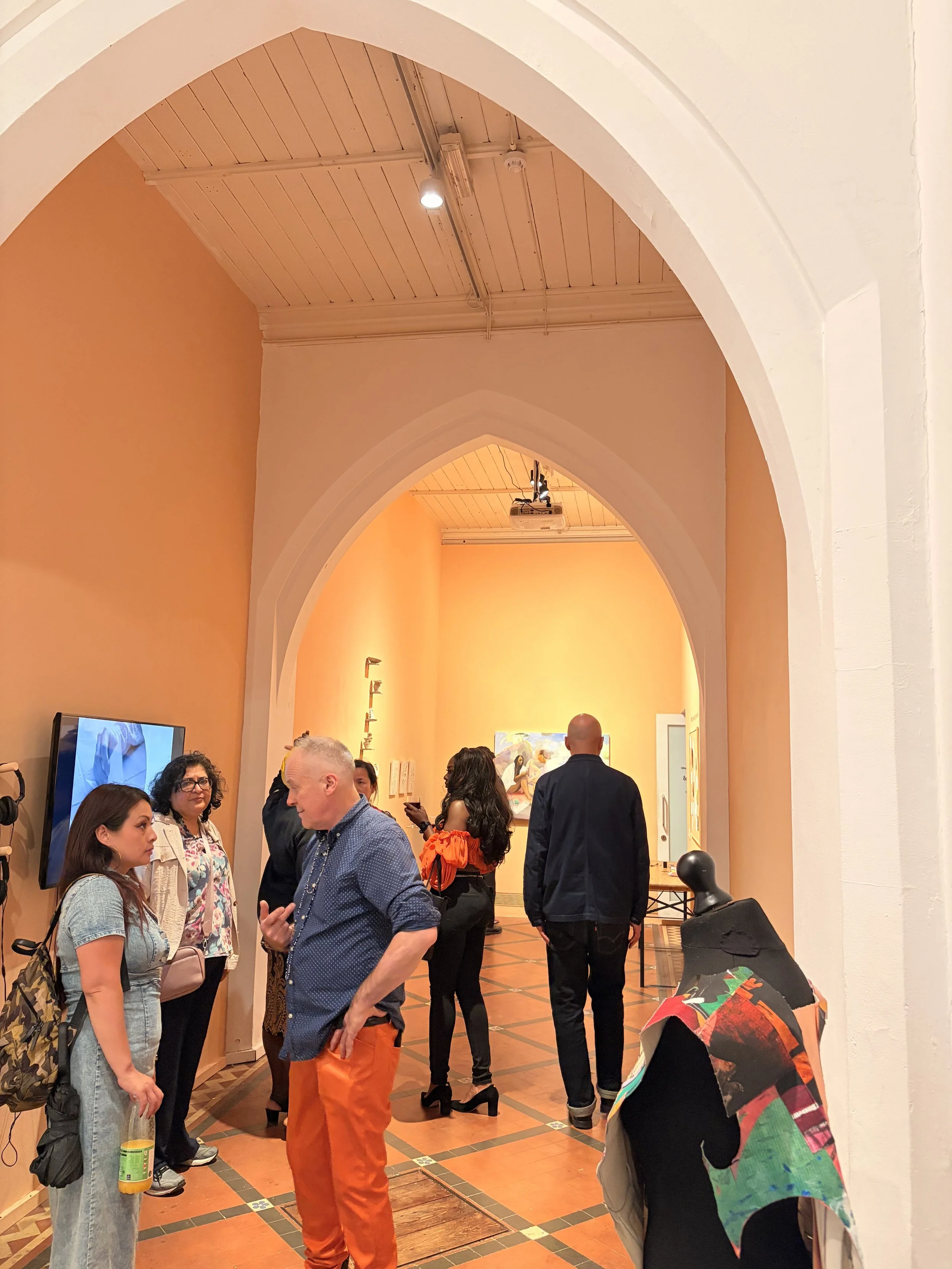
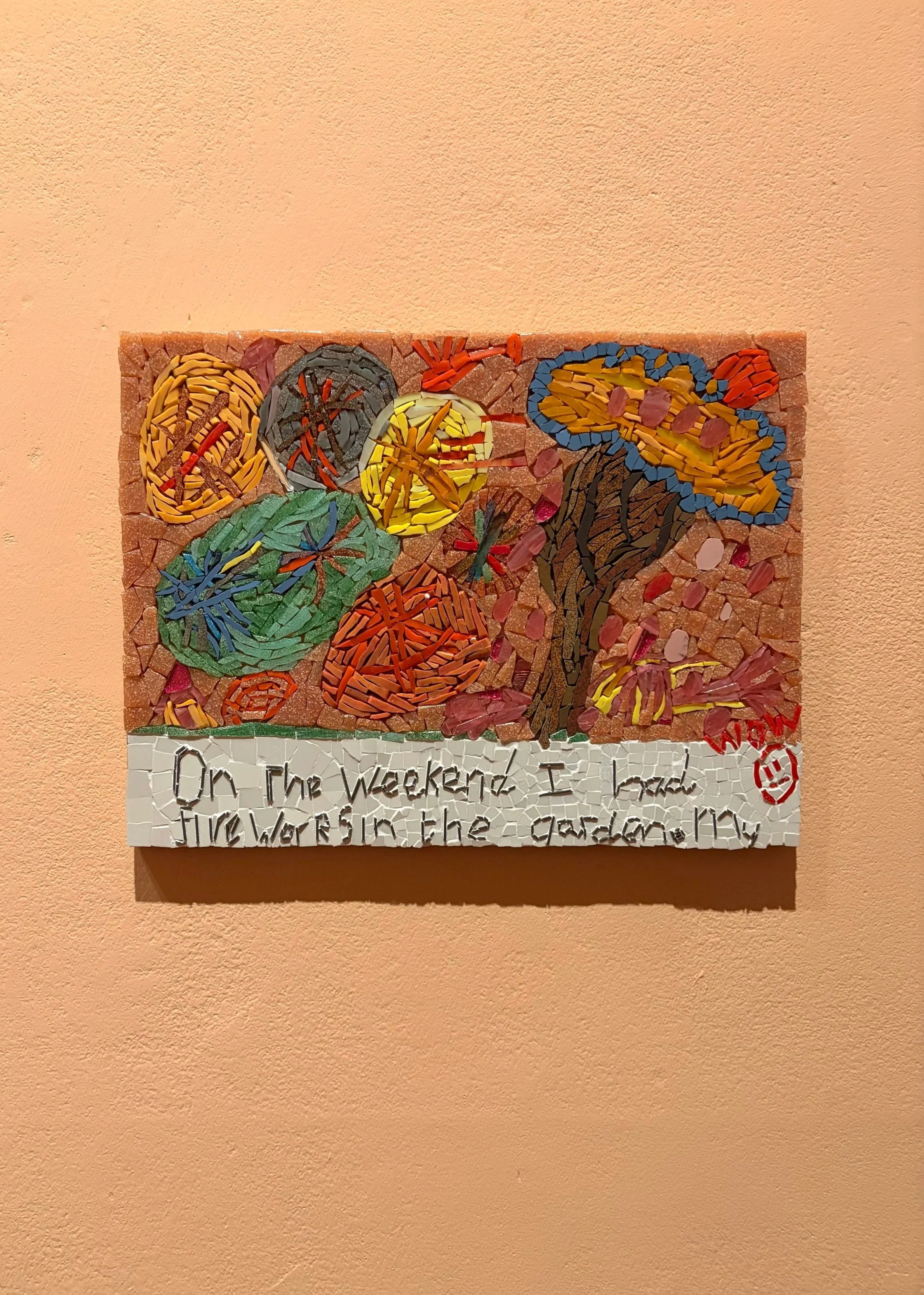
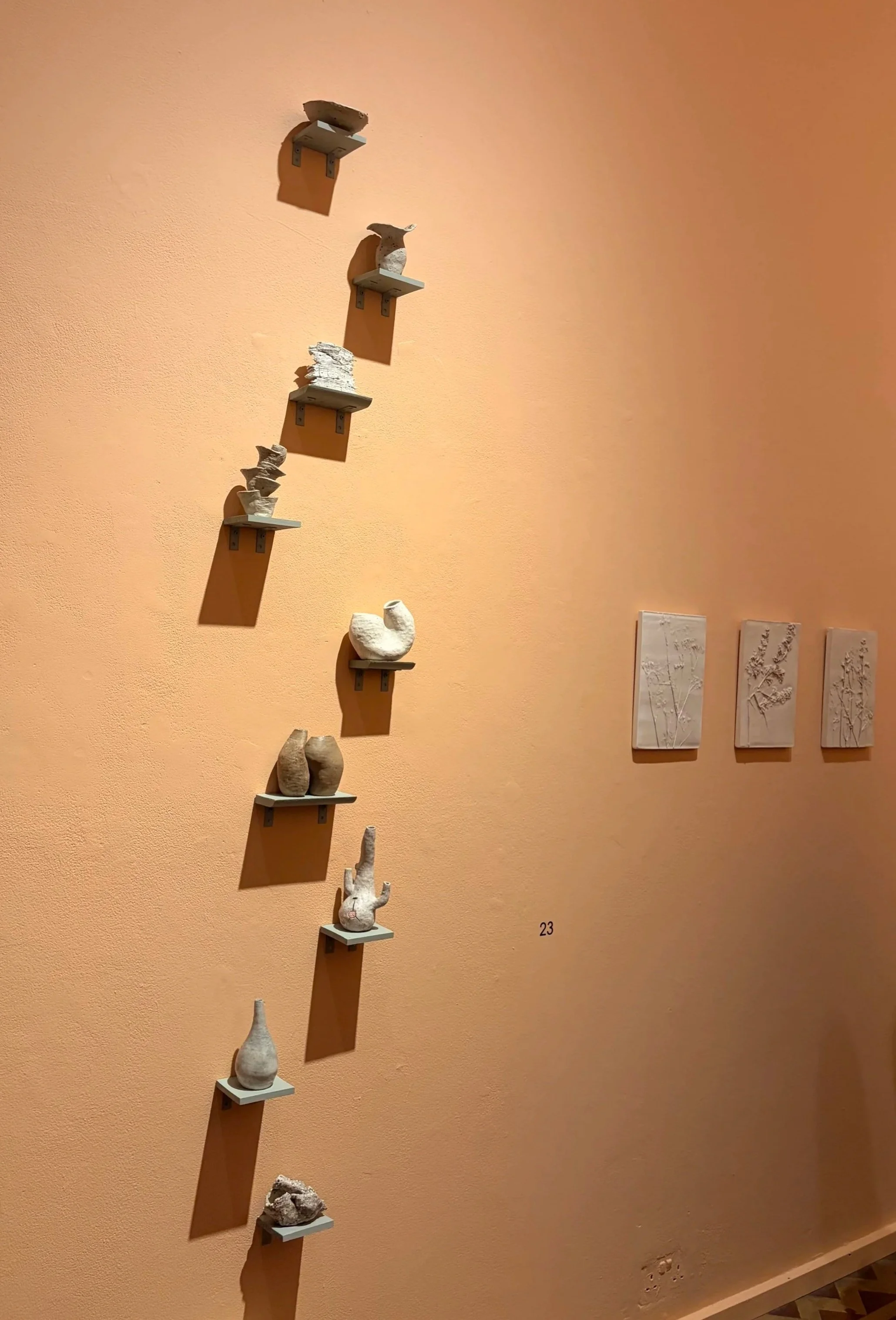
I have been on youth programmes before where you get to participate in workshops or help to run an event. And they have been great experiences. But what struck me most from the first meeting to the installation of the Bow Open was just how hands off the Bow Arts staff were. They offered us practical guidance, like how many artworks to select, how we could devise the theme and how to handle artworks, but ultimately it truly felt that we were the curators. Every artwork choice was our own, coming together to shape the theme of “Belonging” that showcased the diverse work produced in East London. Even the colour of the walls - a soft, comforting peach - was our decision. The other three curators and I came from different backgrounds: artists, writers, architects and designers, all bringing unique perspectives beyond a traditional understanding of what curation looks like.
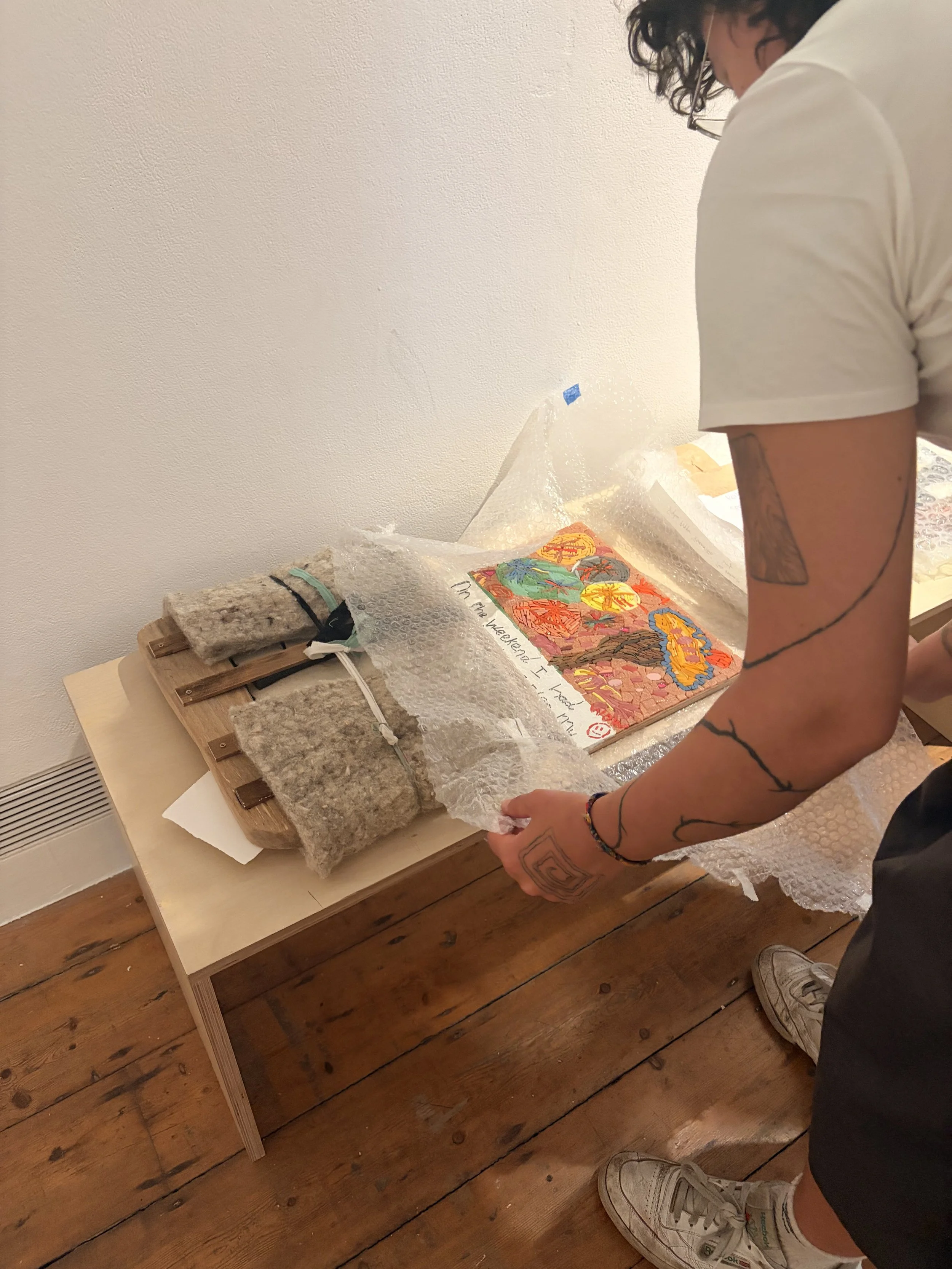
Indeed, being a curator can sometimes be the opposite of its glamorous appearance. Between working full time or studying, we were pinging each other photos with layout plans drawn on scrappy bits of paper, reacting with a thumbs up or “looks gd”; shared documents lighting up as we worked on the wall texts at the same time, cautious of not deleting the other person’s writing; artworks arriving and being much bigger than expected, and thinking “Where’s that going to go?”; installing the works in thirty degree heat, moving a painting incrementally whilst someone shouts “Up a bit! No, not that much!”. I remember that we did not settle on the final layout until the final hour of the installation day - we moved a couple of works, and suddenly everything clicked. Curation is a meandering, messy process, with often unexpected changes that ebb and flow into more intriguing outcomes.
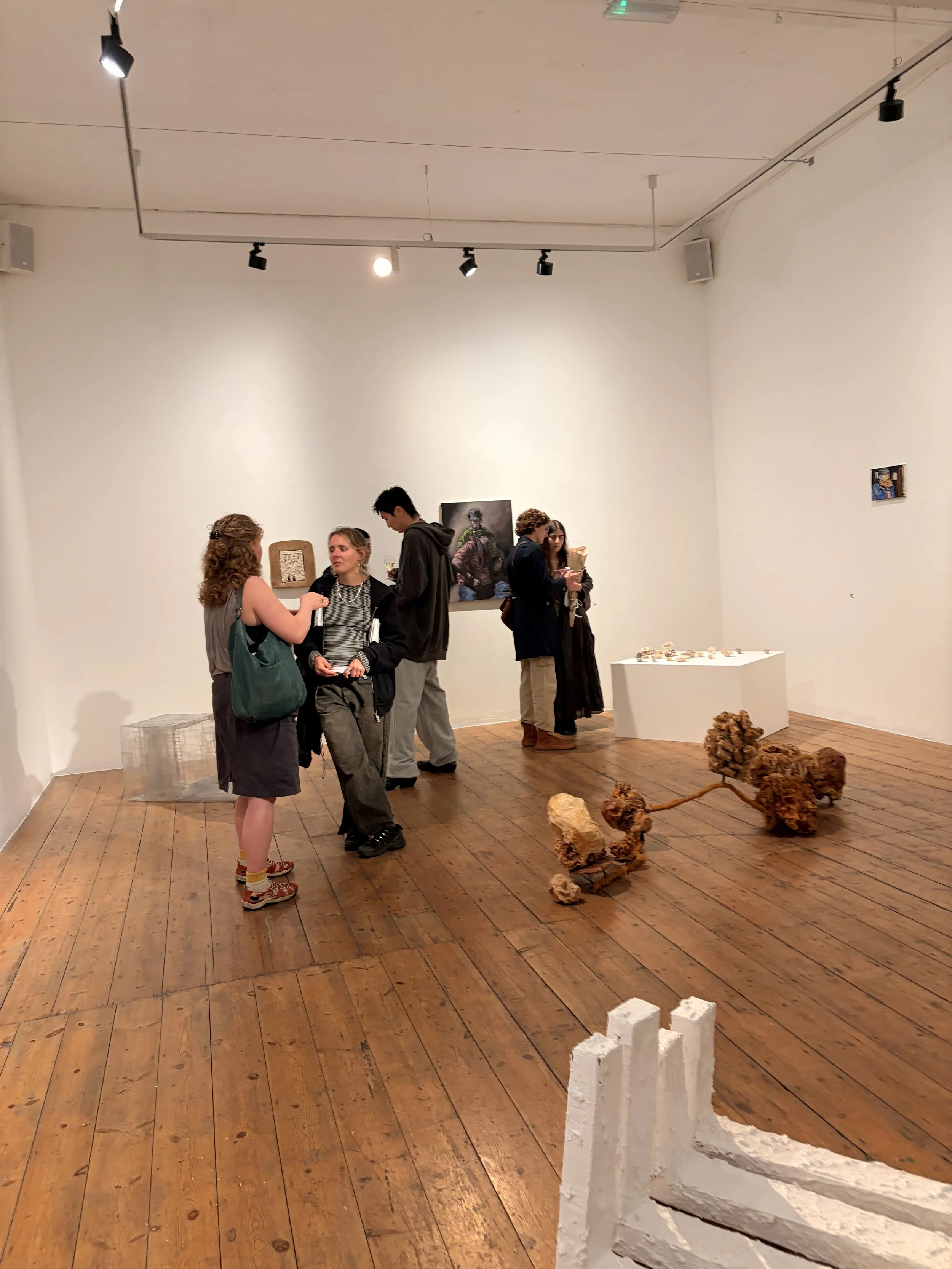
Attending the opening night of the Bow Open was a suitably surreal experience: Seeing visitors inhabit the space which we had become familiar with over two months, discussing the art, reading the interpretation, made all the work we had done feel concrete, real. The sign of a good curator and curation is that much of those unremarkable, mundane tasks remain invisible, contributing to its romanticised perception. So seeing the final purpose of the exhibition - to be engaged with - unfold, was extremely gratifying.
A two month curatorial contract was only a flavour of what being a curator is actually like, yet it gave me that first experience that is so often the most difficult to access as a young person. Entry points to that esteemed title are still few and far between, but programmes like these are gradually unveiling the truly eclectic work of The Curator.
The Bow Open 2026 is on display at the Nunnery Gallery until 31 August.
References
“Tuition Fees - Courtauld.” n.d. Courtauld Institute of Art. Accessed June 26, 2026. https://courtauld.ac.uk/explore-our-courses/tuition-fees/.